Smart Industrial Drying, with Greater Control and Less Heat
Preserve food quality while reducing moisture efficiently and with precise control.
Low Temperature
Higher drying quality
Product Preservation
Retains color, aroma, and nutrients
Closed-Loop System
Greater efficiency and less waste

Drying is not just about removing water.
Temperature, air humidity, time, and product characteristics directly influence the outcome.
High temperatures compromise quality
ConsistencyExcessive heat can alter the color, aroma, texture, and nutrients of food.

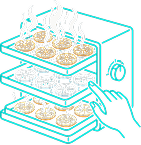
Uneven and inconsistent drying
QualityDifferences between trays and areas of the equipment result in products with varying moisture levels, requiring operator intervention.
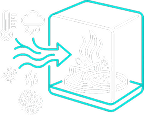
Dependence on environmental conditions and exposure to contaminants
SafetyVariations in air temperature and humidity affect the process. Since external air enters the dryer, dust, insects, odors, and microorganisms can also be introduced.
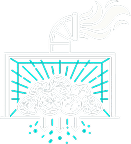
Energy and product waste
EfficiencyHeat is lost through exhaust, and a lack of precise control can lead to overdrying, reducing yield, weight, and quality.
A new way to think about drying
Conventional systems focus solely on heating the air, generating continuous exhaust. Smart Drying technology is based on the relationship between air humidity and temperature, operating in a sealed cycle.
Conventional
Drying
Traditional MethodHeats
The air is heated to promote rapid evaporation from the surface.
Absorbs
The air comes into contact with the product and absorbs its surface moisture.
Discards
All the energy is lost through exhaust, including the latent heat of the evaporated water.
Higher Quality
Preserves the product's color, aroma, and nutritional value.
Uniform Process
Ensures consistent moisture levels.
Lower Consumption
Uses less water and energy throughout the process.
One Piece of Equipment. Multiple Possibilities.
The Smart Dryer is a multipurpose piece of equipment designed to dry a wide variety of foods, including solid, whole, sliced, or chopped products arranged in a single layer on trays.
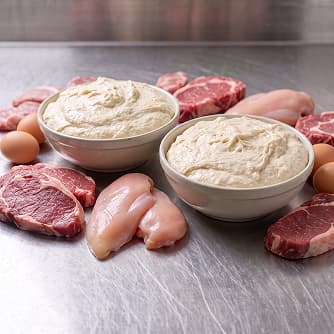
Meat and
Sourdough Starter
proteins · sourdough starterDry meat and sourdough starter under controlled conditions to facilitate preservation and storage, according to the needs of each process.
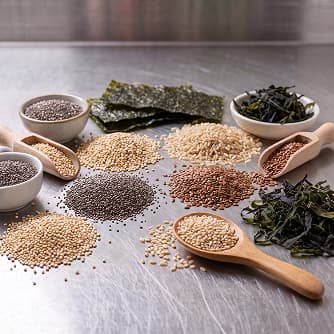
Grains, Seeds
and Seaweed
grains · corn · seaweedControl moisture levels to help preserve grains, seeds, and seaweed while respecting the characteristics of each product.
Seasonings
and Spices
pepper · garlic · onionPreserve food quality while reducing moisture efficiently and under controlled conditions.

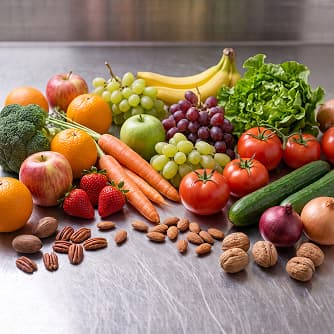
Fruits, Vegetables
and Nuts
fruits · vegetables · nutsDry fruits, vegetables, and nuts with controlled temperature and humidity, helping preserve their natural characteristics.
How Smart Drying Works
The equipment operates using two coupled circuits that exchange energy with each other: a closed-loop drying air circuit and a vapor-compression refrigeration cycle.
Drying Chamber
Heat Pump System
Evaporator
Condenser
Drying Chamber
Heat Pump System
Evaporator
Condenser
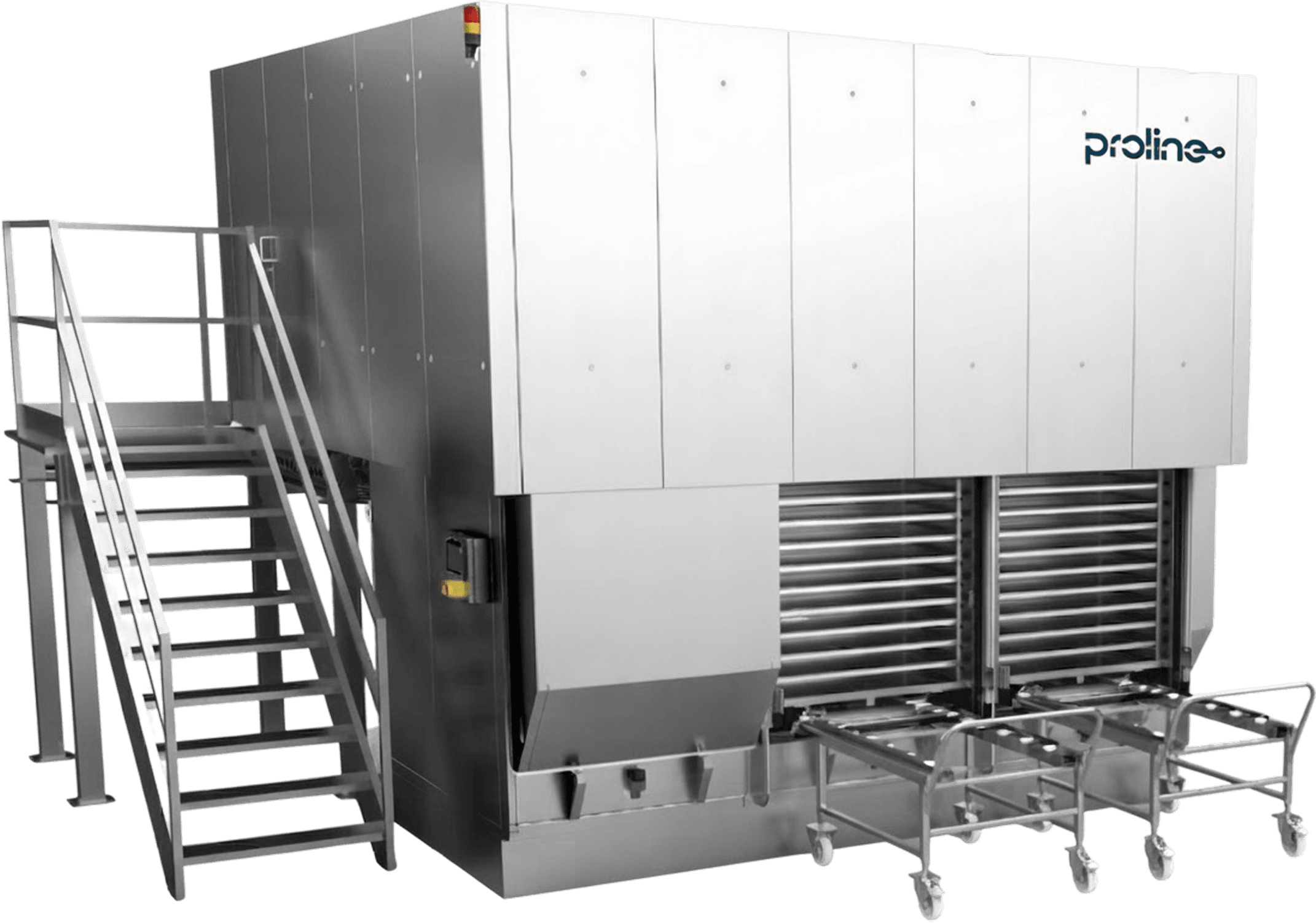
Smart Dryer
Multipurpose Industrial Dryer
A single piece of equipment handles a wide variety of food materials, from seeds, grains, and leaves to sourdough starter and meat, with drying parameters adjusted to suit each product.
Operating Steps:
Loading the trays
Selecting parameters
Drying cycle
Cycle completion based on defined criteria
Unloading and cleaning
Technology Developed Through Engineering and Applied Research
The Smart Dryer benefits from the expertise of OmniLab, WTECH Group's innovation center, which combines engineering, research, and technology to develop and validate solutions focused on efficiency, reliability, and performance.

Schedule a Practical Test with Your Raw Material
Our engineers and researchers are ready to conduct customized trials, generating precise dehumidification curves for your product.
Understand How We Evaluate Your Raw Material
Before sizing a solution,
we evaluate the product's behavior and
the conditions required for drying.
Analysis
We evaluate the sample's characteristics, initial moisture content, and drying objectives to define the test conditions.
Testing
We conduct a pilot drying test using the Pro Line, adjusting process conditions according to the product's characteristics.
Evaluation
We analyze the final moisture content, drying time, yield, and changes in the product's color and appearance.
Equipment Sizing
Based on the results, we determine the equipment size and configuration best suited to your production needs.
Engineering and Innovation in Drying Since 2011
Proline develops thermal engineering and process solutions for the food industry, focusing on proprietary technology and validated performance.

Still Have Questions?
Before sizing a solution, we evaluate the product's behavior and the conditions required for drying.
What products can be dried with the Smart Dryer?
The Smart Dryer is a multipurpose piece of equipment designed to dry a wide variety of foods, including seeds, grains, nuts, fruits, vegetables, leaves, aromatic herbs, seasonings, spices, seaweed, meat, and sourdough starter.
Its low-temperature drying technology helps preserve the color, aroma, and bioactive compounds of products, especially those for which these characteristics are essential to quality and commercial value.
What problems does the Smart Dryer solve that competitors don't?
More control, less waste. Unlike conventional dryers, the Smart Dryer controls air humidity and maintains more stable drying conditions, even when the weather changes. Its closed-loop system reuses air and heat, reducing energy losses and the product's exposure to external contaminants.
How does heat pump technology work?
The technology uses a refrigeration cycle to remove moisture from the air through condensation and recover heat, returning it to the drying process. This allows air to circulate in a closed loop, returning to the product dehumidified and at a low temperature, without depending on external environmental conditions.
How do installation and training work?
The Smart Dryer is designed to operate without construction work, exhaust ducts, or climate-controlled rooms. Simply position the equipment in the intended location and provide the infrastructure required for operation. Training after installation is planned, but its format and duration have yet to be defined.
Let's Discover Your Product's Potential.
Tell our team what you need to dry. Based on the product's characteristics and your process objectives, we can evaluate the next steps.